


Principles in Brief
Koch’s long-term success has come from a focus on building Capabilities that enable us to create superior value and to apply them where we can create the most value both for others and for ourselves. Being capability-bound, not industry-bound, allows us to create virtuous cycles of mutual benefit in multiple businesses and industries.
Creating superior value requires many capabilities — especially ones that are complementary and mutually reinforcing. This starts with our overarching capability, Principle Based Management, that guides all the others through its five dimensions: Vision, Virtue and Talents, Knowledge, Comparative Advantage, and Motivation.
Principle Based Management has led our businesses to transform their ability to succeed in a variety of environments by modifying their visions and strategies to fit the conditions they face. Just as important is exiting when a business doesn’t have and can’t add the necessary capabilities.
Building superior capabilities requires employees who create their own virtuous cycles — who self-actualize. We have numerous advantaged facilities and technologies, but these don’t last without contribution-motivated employees who continually transform themselves and Koch. Employees who create knowledge and contribute to our principle-based culture are our ultimate capability.
To succeed in the future, we prioritize improving our capabilities and building and acquiring new ones. This necessitates strengthening our internal capabilities, collaborating with others who have complementary capabilities, and acquiring organizations with superior ones.
Virtuous Cycles of Mutual Benefit (VCMB) are the processes by which we continually build capabilities that create value for others. VCMBs are a never-ending, mutually beneficial process of opportunity generation. We create these cycles when, and only when, we have the capabilities to become a preferred partner of those who are important to our success. Equally important is developing our ability to continually transform our capabilities.
Koch’s growth and success is a result of applying Principles of Human Progress to build the capabilities that enable these cycles. Continuing to succeed in a rapidly changing world, where Creative Destruction is happening at a faster and faster pace, demands an even greater sense of urgency for creating these cycles.
We become a preferred partner when someone prefers working with us rather than their alternatives. Typically, this happens when we differentiate ourselves in providing what they value. In turn, we prefer them when they help us maximize our long-term success in harmony with our principle-based framework.
Virtuous cycles start with employees. An organization must have people who create their own virtuous cycles — employees who are committed to Our Values, enabling them to self-actualize. They are contribution motivated and have a talent that will help us succeed. Such employees take the initiative to discover their aptitudes, apply them to maximize their contributions, and then transform themselves by doing it again and again.
Koch becomes the preferred partner for these employees when we help them find work for which they have a passion and can make the greatest contribution — by actualizing their potential. This is the essential responsibility of every supervisor. It is realized by knowing and building trust with employees, helping find roles for which they have a comparative advantage, and motivating them to maximize the value they create.
The primary focus of all of us as employees is our customers, providing them with products and services they prefer over their alternatives. We seek those customers for whom we can create the greatest value and who appropriately compensate us. When this happens, we become their preferred supplier and they become a preferred customer, resulting in mutual benefit.
Others we need as mutually preferred partners are:
- Suppliers who create the most value for us and for whom we can become a preferred customer by enabling and rewarding them.
- Communities that enable our long-term success by valuing our presence as we help improve the quality of life they offer.
- Investment partners with aligned vision and values with whom we can develop a mutually beneficial relationship.
- Lawmakers and regulators with whom we can work in the spirit of Mutual Benefit so that laws enable, rather than hinder, people’s ability to succeed by helping others.
- People throughout society by practicing good stewardship, consuming fewer resources, and removing barriers to having a life of meaning.
For a deeper dive, read Charles Koch’s Continually Transforming Koch Industries Through Virtuous Cycles of Mutual Benefit.
Understand It Better
Videos to Explore
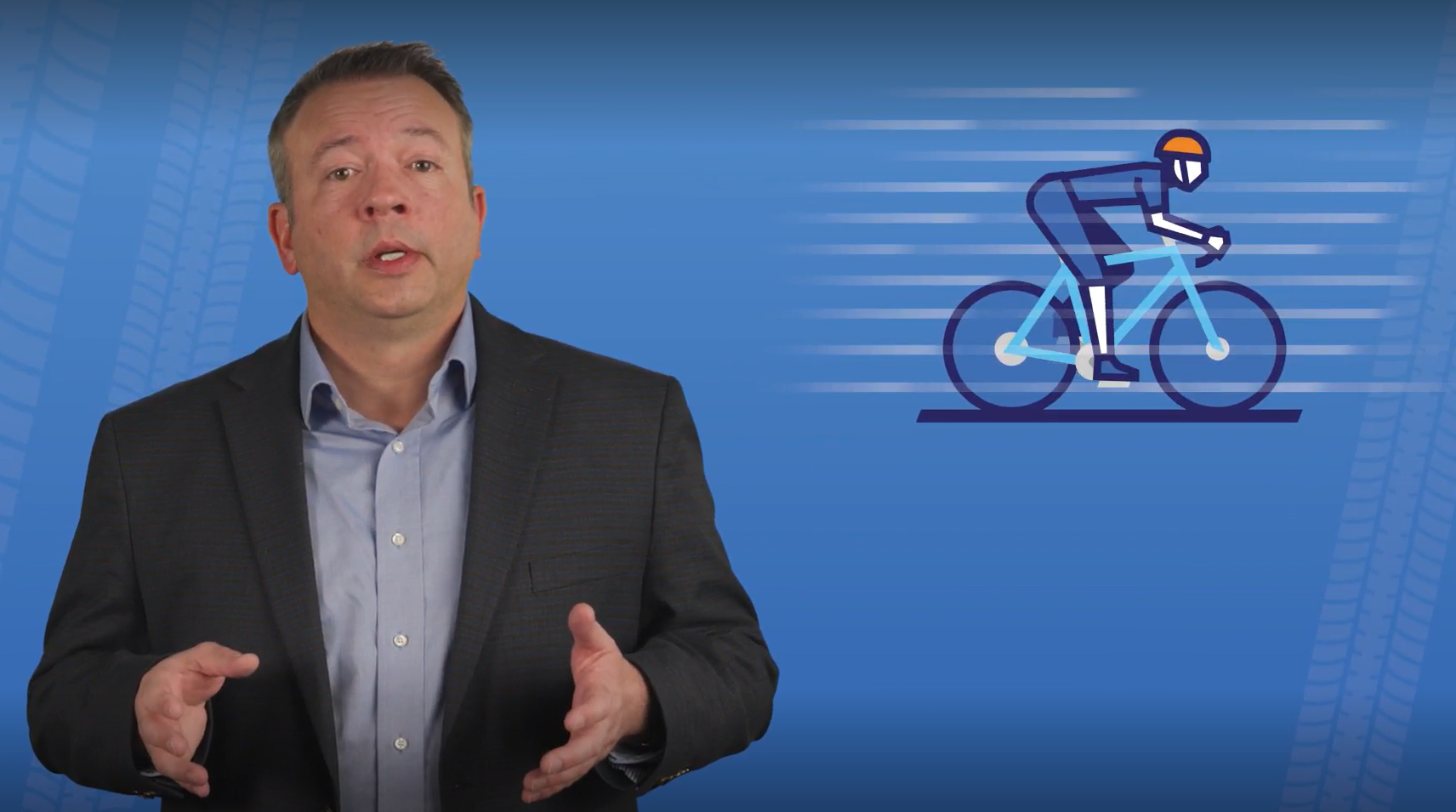
Adjust for the Wind
This video uses the idea of headwinds and tailwinds in cycling to explore the principle of Headwinds and Tailwinds in Principle Based Management.
How Do You Measure Culture? Or How Do We Measure Progress?
Hear Charles Koch describe our long term focus and some indicators of progress.
Examples
Organizational capabilities create a competitive advantage by (1) enabling us to produce at a lower cost than others, (2) offering something so distinct or different that customers are willing to pay a premium over competing products or services or (3) a combination of both that achieves superior returns. Here are some examples:
- Delivering Superior Value
- Efficiently Using Resources
- Adaptability and Resilience
- Complementary Capabilities
A system integration team is world-class at incorporating cloud-based applications into customers’ current processes. This capability creates superior value for customers by reducing the time it takes to deploy the applications, providing high-quality training and support tools, and achieving high user adoption rates. Customers value and pay more for this integration capability, which is an indication of competitive advantage.
A combination of new technology and a highly skilled workforce allows a facility to make packaging with about 10% fewer inputs (energy, raw materials, etc.) at the same quality as its competitors. Facility leadership points to an operations excellence capability that encompasses safety, process optimization and innovation to explain their cost advantage in the marketplace.
A company has a strong inventory management capability such that customer deliveries are almost always on time, and inventory levels are optimized. When a hurricane disrupted the supply chain in the region, the team was quickly able to work with customers and suppliers to adjust logistics and solve problems in a way that minimized missed deliveries. Customers often report loyalty to the company because of timely deliveries — a sign of competitive advantage.
Several years ago, a manufacturing facility had a long-standing customer who asked for a specialty product that needed customized parts. The plant leadership agreed to give it a try but soon found that making custom parts was harder than they thought. To solve this problem, they teamed up with a supplier who excelled at building custom parts. This partnership allowed the facility to complete the order, better serve their existing customers, and attract new business.
Discover Our Stories
Why Do We Have Groups Called “Capabilities”?
At Koch, support groups are sometimes known as capabilities, like the HR Capability Group. While capability groups are charged with helping the business in particular areas, that doesn't mean they are solely responsible for that area of expertise. For instance, our finance capability group helps to make and track financial decisions, but we’re all supposed to use good economic thinking to use resources wisely.
Capability groups are not separate from “the business.” If capability groups are merely viewed as cost centers, they might be overly focused on minimizing their costs rather than partnering to maximize value creation. If you are part of a capability group, it's critical to understand the vision of the organization you support and focus on helping it advance the vision.
Connection to the Five Dimensions
The Capabilities principle is highlighted in the Vision dimension because capabilities are the organizational or team attributes that give us a long-term competitive advantage. As such, our Capabilities strongly inform our vision and are central when choosing opportunities to pursue.
Give It a Try
The power of these principles happens through application. There’s no substitute for learning as you apply.
- Capabilities lead to long-term competitive advantage. Use the internet to explore what it means to have a competitive advantage and find some examples of capabilities leading to a competitive advantage.
- Find some examples (from the news, talking to others, or your own experience) where a lack of capabilities contributed to failure.
- What are our team’s current capabilities? What do we do well that enables us to have a competitive advantage or helps the business have a competitive advantage? What are some other ways we might apply these capabilities to create value?
- What could we do for our customers if we had different capabilities or strengthened our current capabilities?
- Considering our vision, what capability do we need to improve, build or acquire? Who could we partner with (inside or outside of Koch) to acquire them?
SHARE: